Bipedal Stories

Exploring the world on two feet

Delaware Water Gap

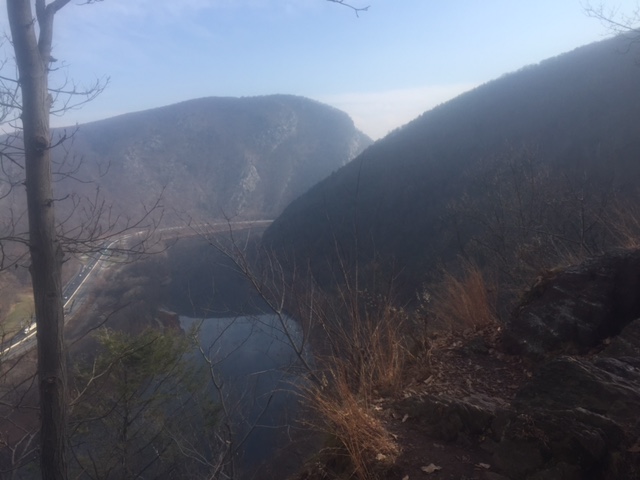
I pulled down an unpaved road deep in the pines. I parked in a gravel lot at the southern tip of the Delaware Water Gap, where the Delaware River cuts through a ridge in the Appalachian Mountains. I took two water bottles from the trunk of my car, put them in my pack, and set out on a stretch of the Appalachian Trail for Mt. Minsi.
DG_1

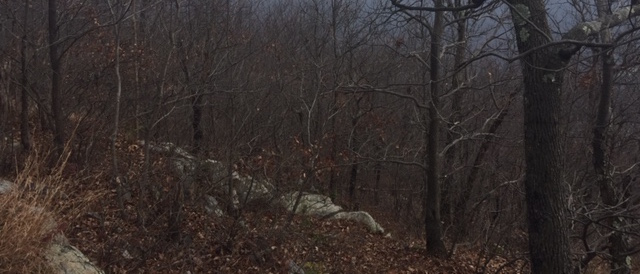
The December weather was uncharacteristically clement. After 20 minutes, I was sweating through my moisture-wicking textiles. I stuffed my pullover in my pack. The trail was a series of steep steps on stone and timber, short descents on mud, and steeper ascents on quartzite outcroppings. My legs were sore, my breathing heavy. The trail was empty. What if I twisted an ankle? Or encountered an extra from The Deer Hunter, Michael Cimino’s 1978 Oscar-winning film about rural Pennsylvanians traumatized by their service in Vietnam?

I sat down, drank from my water bottle, ate some chocolates. The sun poked through the baffle of grey clouds. I shuffled out onto a ledge. I was both in the middle of nowhere and within shouting distance of Interstate 80, which rolled west on the other side of the Gap.
DG_2

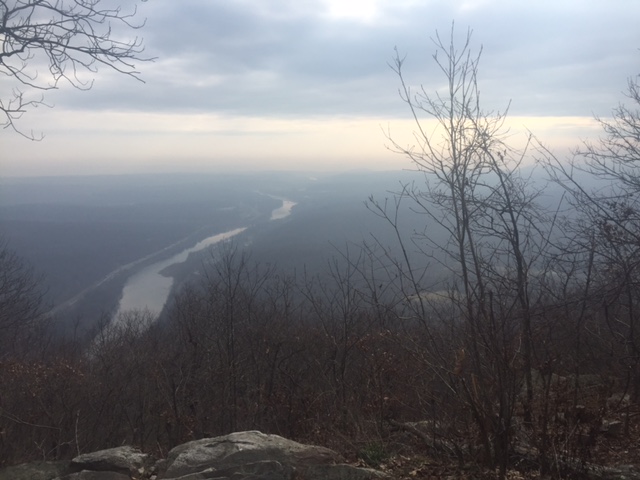
I reached the summit of Mt. Minsi. Cloud cover was thick, but I could see the outlines of Mt. Tammany on the New Jersey side. Some 1,500 feet below, the Delaware River flowed toward Philadelphia, Wilmington, and the Atlantic Ocean. The summit had the bleak beauty of the Northeastern U.S. in late fall. The deciduous trees were barren. Their decomposing leaves painted the paths and fields in a mulchy brown. The spiky evergreens stood sentry over the emptiness.
DG_3

The forecast called for rain. I retraced my steps to the gravel lot.
Traverse City

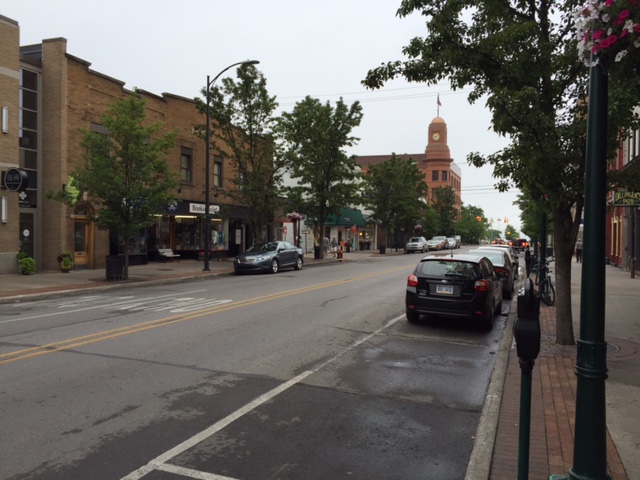
I walked down South Union Street past meticulously restored mission-style homes. As I entered the business district, the clapboard homes gave way to three- and four-story red-brick buildings. The coffee houses, brewpubs, and bearded hipsters were notes of Brooklyn in Northern Michigan.

TC

I stepped inside Brew, a local coffee house. A United Nations of ethnicities tapped away at MacBooks. The floors were wide planks of distressed pine. The walls were exposed brick. It was New York, maybe Chicago, but without the prices and the workaday aggression. I could live here.

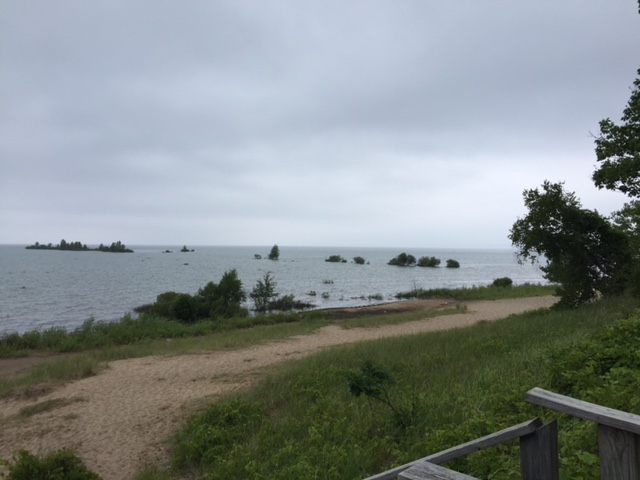
I ordered a coffee, muffin, flipped through the Record-Eagle, the lively local paper. The front page featured extensive coverage of the annual Cherry Festival, which had just concluded. I stepped back outside and walked to the marina. Grand Traverse Bay stretched before me, vast and grey beneath the overcast summer sky. The Bay is a harbor of Lake Michigan, the greatest of the Great Lakes, the inland seas that facilitated development and industrialization in the Upper Midwest.

GT_Bay

A light rain blew in off the harbor. I walked back to my car, a rented Chevy Cruze. I motored through the city and then north on Peninsula Drive, which runs along a spit of land that juts into the Bay. Big homes backed up against the shore, money from Chicago. I lunched at the Jolly Pumpkin, a brewery and distillery. I continued north to the Mission Lighthouse at the peninsula’s tip. Crowds climbed the stairs to the lantern room. Families snapped photos of their summer vacation.

I drove south on Bluff Road, which runs along the other side of the peninsula. I stopped at Chantal Winery. Northern Michigan is the viticultural capital of the midwest, blessed by the the same mild summers and abundant fresh water that make it the largest producer of cherries in the United States. I bought a few Chantal blends for my return to the northeast. I checked my watch. I had an hour to get to a concert at Interlochen, the legendary music colony, some 30 miles to the southwest.

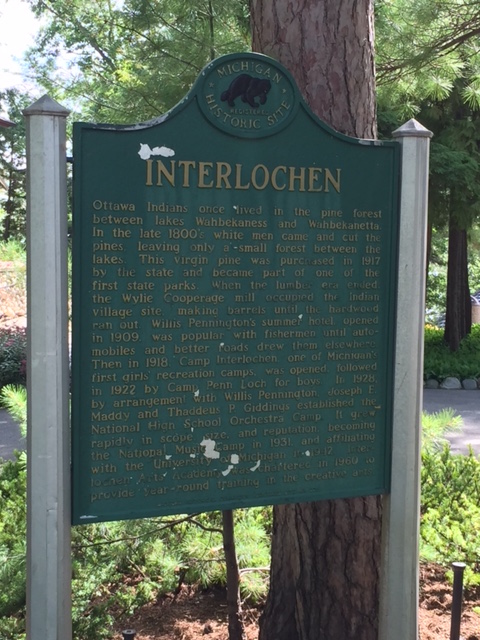
Interlochen